The high-pitched whine of an air conditioner compressor can be a sign of trouble. If your AC compressor is humming but not starting, it's important to troubleshoot the issue quickly to avoid costly repairs or a complete system failure.
A humming compressor that won't start can be caused by a variety of issues, including a faulty capacitor, a bad contactor, or a problem with the compressor itself. It's important to identify the root cause of the problem before attempting any repairs.
If you're not comfortable working on your own AC unit, it's best to call a qualified HVAC technician to diagnose and repair the problem. However, if you're handy and have some experience working with electrical systems, you may be able to troubleshoot the issue yourself.
To summarize, a humming compressor that won't start can be caused by a variety of issues. If you're not comfortable working on your own AC unit, it's best to call a qualified HVAC technician. However, if you're handy and have some experience working with electrical systems, you may be able to troubleshoot the issue yourself.
AC Compressor Humming But Not Starting: Causes, Troubleshooting, and Solutions
 IntroductionA functioning air conditioner is a blessing during the sweltering summer months. However, when you turn on your AC unit and hear a humming sound but no cooling, it can be a frustrating and uncomfortable experience. If your AC compressor is humming but not starting, there could be several underlying issues causing this problem. In this comprehensive guide, we will delve into the potential causes, provide troubleshooting tips, and offer effective solutions to get your AC compressor up and running again.
1. Faulty Capacitor
 Cause: A capacitor is a crucial component in the AC system that provides the initial boost of power to start the compressor. If the capacitor fails or becomes faulty, it can prevent the compressor from starting, resulting in a humming sound.Solution: Identify the faulty capacitor by checking for bulges, leaks, or discoloration. Replace the faulty capacitor with a new one of the same specifications.
2. Low Refrigerant Charge
 Cause: Refrigerant is the lifeblood of an AC system, responsible for absorbing and releasing heat to cool the air. If the refrigerant level drops due to leaks or improper charging, it can lead to insufficient cooling and prevent the compressor from starting.Solution: Call a qualified AC technician to inspect the refrigerant level and recharge the system if necessary.
3. Compressor Overload
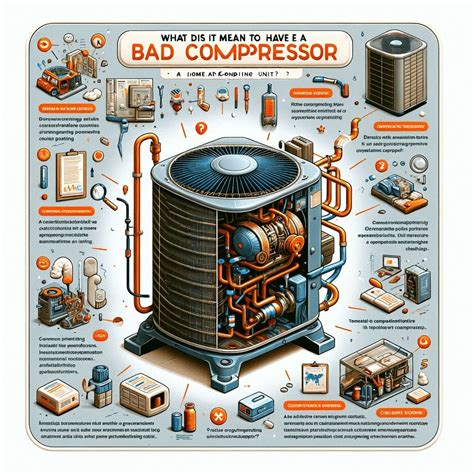 Cause: The compressor is the heart of the AC system, compressing the refrigerant to create the cooling effect. If the compressor is overloaded due to excessive resistance or mechanical issues, it may struggle to start and produce a humming sound.Solution: Check for any obstructions or restrictions in the refrigerant lines, coils, or ducts. Ensure proper airflow by cleaning or replacing clogged air filters. If the compressor is damaged, it may need to be replaced.
4. Faulty Thermostat
 Cause: The thermostat is responsible for controlling the temperature and signaling the AC system to turn on or off. A faulty or malfunctioning thermostat can send incorrect signals, preventing the compressor from starting.Solution: Test the thermostat with a multimeter to ensure it's functioning correctly. If the thermostat is defective, replace it with a new one.
5. Electrical Connection Issues
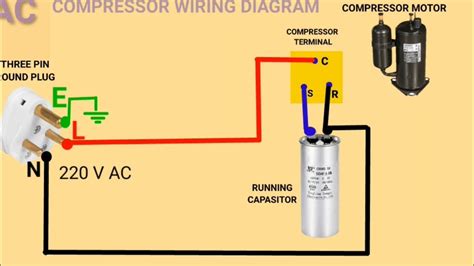 Cause: Loose or faulty electrical connections between the compressor and other components can disrupt the power supply and prevent the compressor from starting.Solution: Inspect the electrical connections, terminals, and wiring for any loose, corroded, or damaged components. Tighten loose connections, clean corroded terminals, and replace damaged wires.
6. Oversized AC Unit
 Cause: An oversized AC unit can lead to short cycling, where the compressor starts and stops frequently, putting excessive strain on the system. This can result in premature wear and tear, causing the compressor to hum but not start.Solution: If you suspect an oversized AC unit, consult a qualified HVAC technician to assess the system's capacity and recommend a suitable replacement if necessary.
7. Dirty Condenser Coils
 Cause: Dirty condenser coils can restrict airflow, leading to overheating of the compressor and preventing it from starting.Solution: Clean the condenser coils regularly using a soft brush and a mild detergent. Rinse the coils thoroughly with water and allow them to dry completely before turning on the AC.
8. Clogged Air Filter
 Cause: A clogged air filter can restrict airflow, causing the evaporator coil to freeze and preventing the compressor from starting.Solution: Replace the clogged air filter with a new one. Regularly clean or replace the air filter according to the manufacturer's recommendations.
Conclusion
A humming AC compressor that fails to start can be a frustrating issue, especially during hot weather. By identifying the underlying cause, whether it's a faulty capacitor, low refrigerant, compressor overload, faulty thermostat, electrical connection issues, an oversized AC unit, dirty condenser coils, or a clogged air filter, you can take the appropriate steps to resolve the problem and get your AC unit up and running again. Remember, for complex issues or electrical repairs, it's always advisable to seek the assistance of a qualified HVAC technician to ensure safety and proper functioning of your AC system.FAQs
1. Can I fix a humming AC compressor myself?While some simple issues like cleaning the air filter or condenser coils can be addressed by homeowners, complex electrical or mechanical repairs should be handled by a qualified HVAC technician to ensure safety and proper functioning of the AC system.2. How can I prevent my AC compressor from humming and not starting?Regular maintenance, such as cleaning the condenser coils, replacing the air filter, and scheduling annual checkups by a qualified HVAC technician, can help prevent issues that may lead to a humming compressor.3. What are the signs of a failing AC compressor?In addition to a humming sound without starting, other signs of a failing AC compressor include reduced cooling efficiency, increased energy consumption, unusual noises or vibrations, and refrigerant leaks.4. How much does it cost to repair a humming AC compressor?The cost of repairing a humming AC compressor can vary depending on the underlying issue, the extent of damage, and the labor rates in your area. It's best to consult with a qualified HVAC technician for an accurate estimate.5. How can I extend the lifespan of my AC compressor?Regular maintenance, avoiding frequent cycling of the AC unit, and using the AC at moderate temperatures can help extend the lifespan of the compressor and prevent premature failure.